
We’ve all done it. You open Shein ‘just to have a look’, add one top to your basket and somehow end up with ten items for less than the price of a day out. A dress for £8, a pair of heels for £6, jewellery for under £2… it almost feels unreal.
At first it just seems like a good deal. Why spend £40 on one outfit when you can get four? But after a while, you start wondering how is it even possible? How can a brand sell thousands of different products every day at prices that seem almost too good to be true?
The answer isn’t as simple as just ‘cheap clothes’. Behind those low prices is a carefully designed business model that has completely changed the fashion industry. From the way trends are spotted to how clothes are produced and sold, almost every part of Shein’s strategy is built around keeping prices as low as possible.
One of the biggest reasons Shein is able to keep prices so low is the way it tests products. Rather than producing thousands of the same item straight away, the company will sometimes release a small number first to see how people respond. If something starts selling quickly, production increases almost immediately. If it doesn’t, they simply move on to the next trend.
Instead of predicting what people might want months in advance, Shein is constantly watching what people are already buying, liking and sharing. It’s a business model built around speed, making sure that there’s always something new the next time you open the app.
Running an online store and reacting quickly to trends definitely helps keep prices low, but it doesn’t explain how a top can cost less than a coffee. The biggest reason comes down to how and where the clothes are made.
Shein works with a large number of manufacturers, many based in China where production costs are generally lower than in countries such as the UK. Labour, materials and manufacturing can all be sourced more cheaply, making it possible to produce clothing at prices that many other retailers simply can’t compete with.
So how does Shein actually do it?
It’s easy to assume that Shein is just another fast fashion brand, but the way it operates is very different from most retailers. Instead of creating a few collections each season, Shein is constantly responding to what’s popular online. A trend goes viral on TikTok? Chances are a similar version will appear on the app before you know it.
Unlike traditional high street brands, Shein doesn’t rely on physical shops. Everything happens online which cuts out many of the costs that come with running stores, like renting and staff. Those savings can then be reflected in the prices customers see.
Shein did not become one of the biggest fashion brands in the world by accident. It understood exactly what modern shoppers wanted, affordable prices, endless choices and new trends appearing almost instantly. It changed the way people discover and buy clothes, making fashion feel more accessible than ever before.
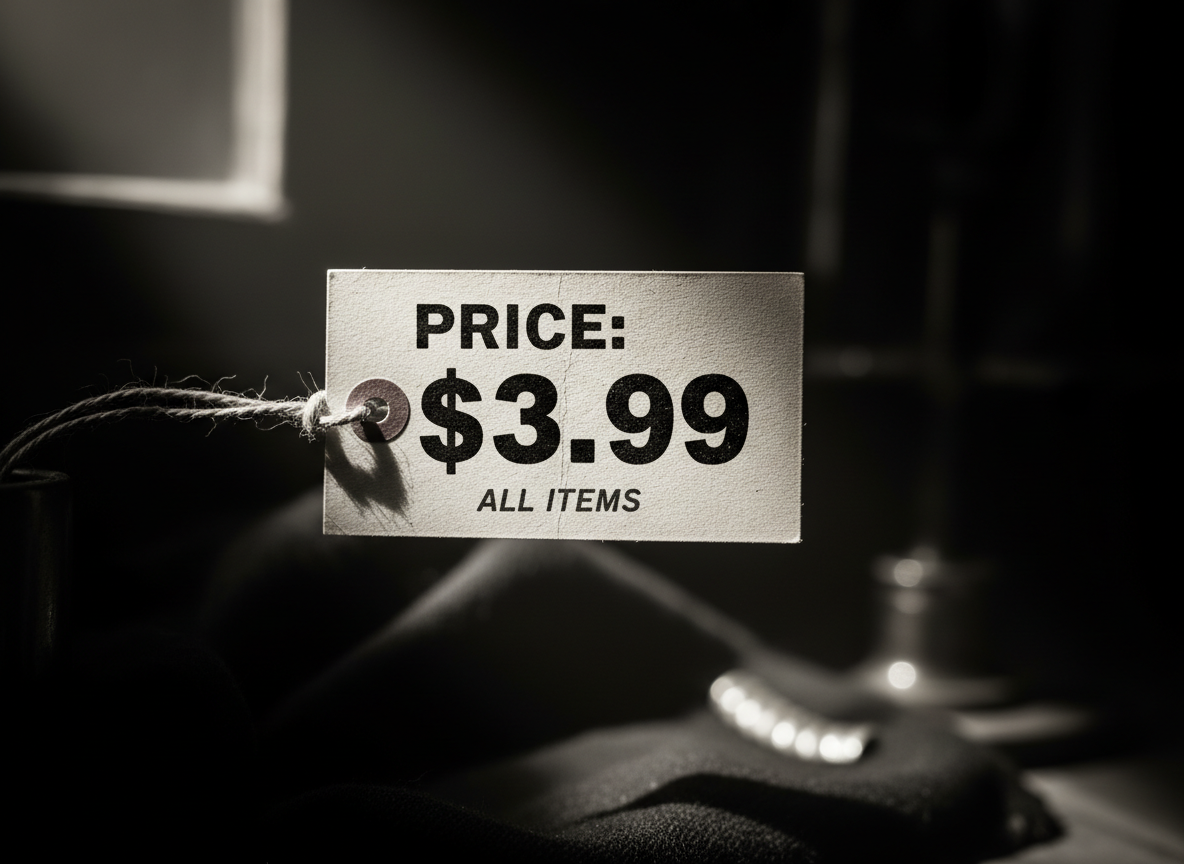
The materials themselves also play a part. Many garments are made using low cost synthetic fabrics such as polyester, which are cheaper to produce than natural fibres like cotton, silk or wool. While this helps keep prices down, it can also affect how long the clothing lasts.
Another reason is scale. Shein sells to millions of customers around the world, meaning it can produce huge quantities of clothing while keeping individual costs low. Even if the profit made on one item is small, those profits quickly add up when you’re selling millions of products every day.
None of this means there’s one single reason why Shein is so cheap. It’s the combination of lower production costs, inexpensive materials, a highly efficient supply chain and a business model designed around speed. When all of those factors work together, the result is clothing that often feels almost unbelievably affordable.
Shein’s success isn’t only because the clothes are affordable, it’s because the entire experience is designed around making people want to come back.
So… is it worth it?
For many people, Shein offers something that feels impossible to find anywhere else, affordable fashion, endless choices and the ability to experiment with different styles without spending a lot of money. But do these low prices tell the full story?
A cheap purchase can feel like a good deal in the moment, but sometimes the things we buy quickly are also the things we forget about just as quickly. When clothes are so inexpensive, it can become easier to buy more than we actually need, whether it is a trend we only wear once or an item that gets pushed to the back of our wardrobe.
This does not mean that everyone who shops on Shein is irresponsible. For some people, affordable clothing makes fashion more accessible, allowing them to explore their style without a high price tag. The reality is more complicated than simply saying people should stop buying from fast fashion brands. Instead, the bigger question is about being more aware of our choices. Do we really love the item we are buying? Will we wear it more than once? Are we buying it because we need it or because a sale, trend or notification convinced us we needed it?
But behind the convenience is a much bigger conversation about how we value the clothes we wear. A low price tag can make it easy to forget that every item has a process behind it from the materials used to the people involved to the decisions made before it reaches our wardrobe.
The answer is not as simple as saying we should never shop from fast fashion brands. Fashion is personal and for many people affordability matters. However, understanding why something is so cheap allows us to make more informed choices about what we buy and why we buy it.
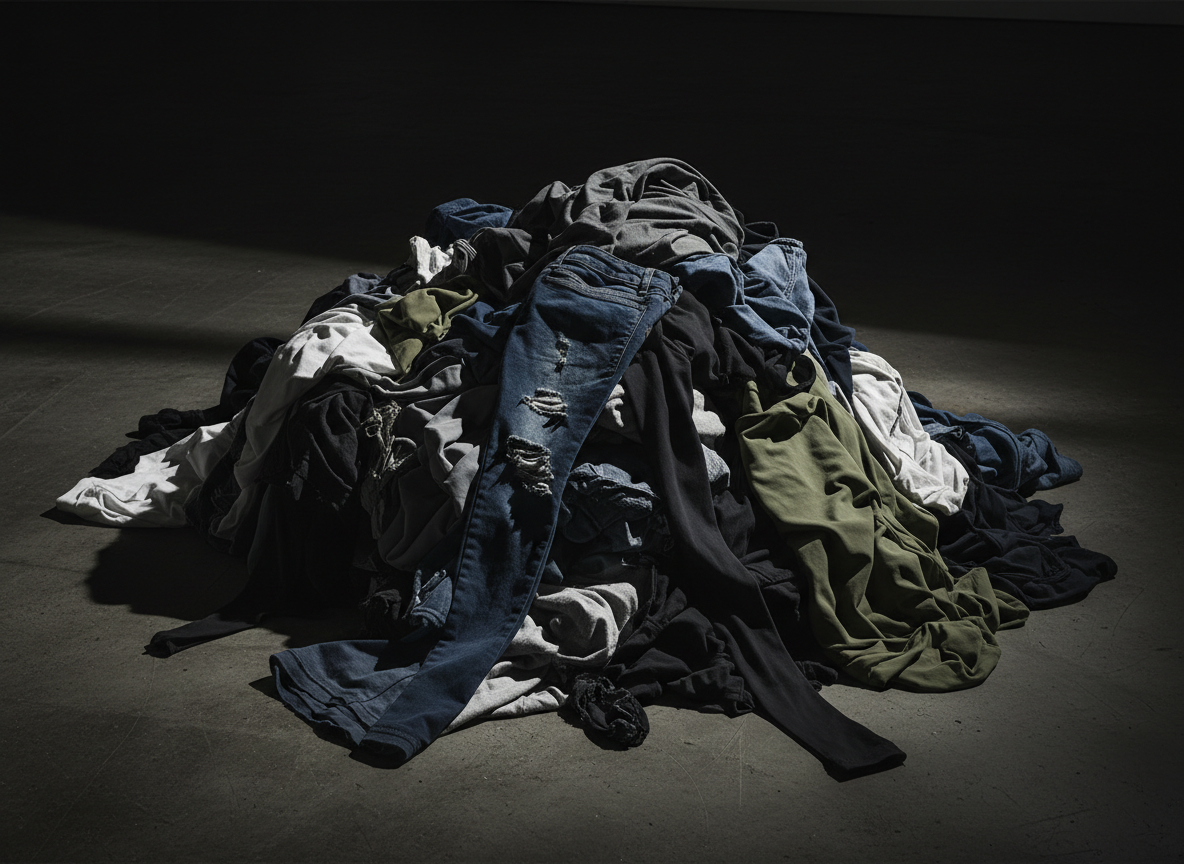
The next time we open an app and add something to our basket, it is worth asking one simple question. Is this something I want or is it just something I was encouraged to want?
Because the future of fashion is not just about creating more clothes, it’s about changing the way we think about them.
 EditHaze
Leave a comment