We all want to look good. Whether it’s finding the perfect outfit, keeping up with the latest trends or buying something new to make us feel confident, fashion has become a huge part of how we express ourselves. Buying a new piece of clothing can feel exciting, like it’s part of our identity or simply making us feel our best.
But behind every garment is a story that most of us never see.
BY THE NUMBERS
75 MILLION
garment workers are employed globally by the fashion industry — the majority women, earning as little as £2–6 per day.
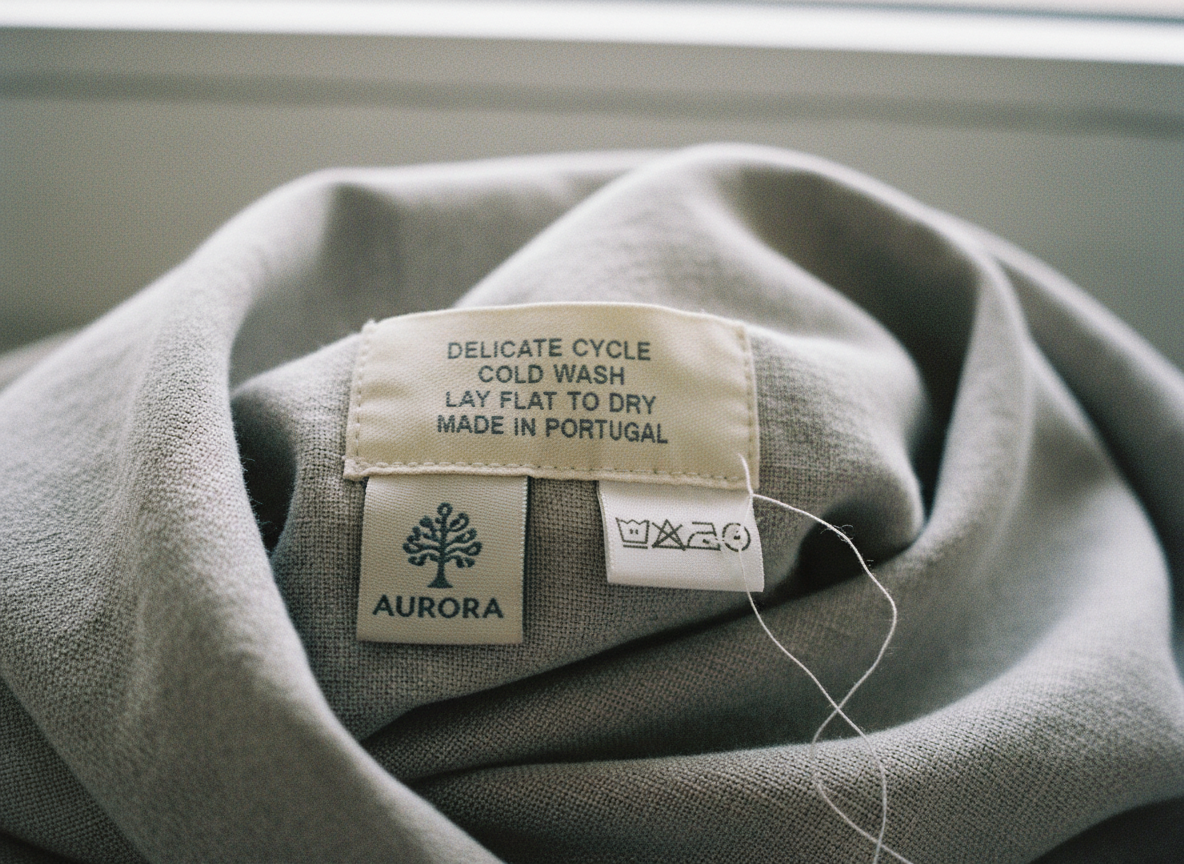
When we look at a clothing label, we usually notice the brand name, the size or the price. But rarely do we think about the journey that piece of clothing has taken before reaching us. Who made it? What were their working conditions like? And how can a garment costing only a few bucks be produced so cheaply?
The fashion industry has created a world where looking good is easier and more affordable than ever right? Wrong! The true cost of our clothes is often hidden from view. Behind the trends, discounts and endless new collections are millions of garment workers whose labour makes modern fashion possible.
This raises an uncomfortable question: what is the real cost of looking good?
When we buy clothes, we usually think about the things we can see. The colour, the fit, the brand name or whether it will go with the rest of our wardrobe. We see a finished product hanging in a shop or arriving in a parcel at our door but do we think about the hands that made it? Nope.
That hoodie you have in your basket, the jeans you’re saving up for or your favourite T-shirt, they all have a story. Behind the perfectly styled campaigns and collections, there are millions of garment workers who spend hours turning pieces of fabric into the clothes we wear every day.
For many of these workers, fashion is not about trends or self expression but it’s their livelihood. They are the people sewing the seams, attaching the labels, stitching buttons and bringing designs into reality. But despite creating clothing for some of the biggest brands in the world, many workers remain invisible to the people buying those clothes.
The distance between the consumer and the factory makes it easy to forget that every garment was made by a person. Someone sat behind a sewing machine. Someone spent hours producing something that might only be worn a few times before being forgotten at the back of a wardrobe.
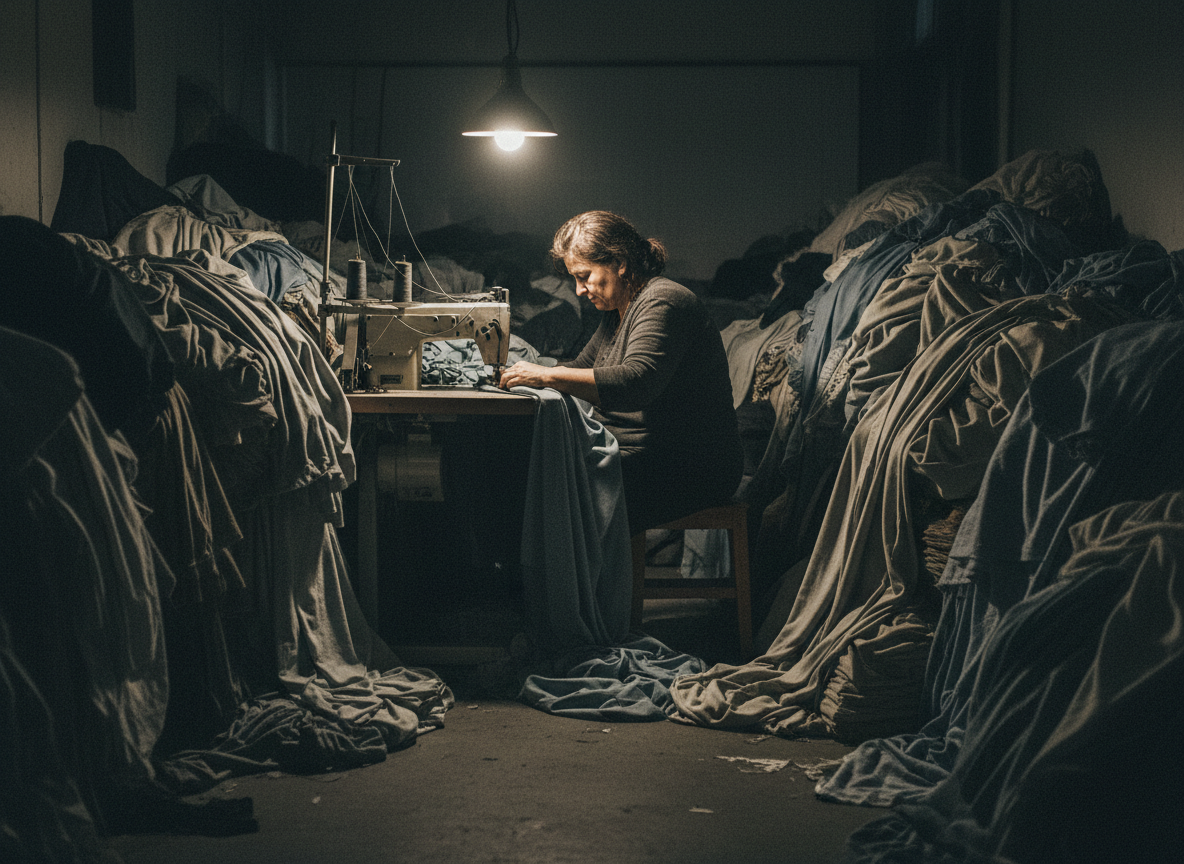
“I see the clothes. I rarely see the person who made them.”
— EILEEN FISHER, FASHION DESIGNER & ACTIVIST
The low prices we celebrate hide a much bigger story. A £5 top feels like an absolute bargain right? But how much did someone else have to sacrifice to make it so affordable?
1,134
workers died at Rana Plaza in 2013. They were making clothes for brands sold on high streets around the world.
“We must hold brands accountable for every hand that touched their products.”
— CARRY SOMERS, FOUNDER OF FASHION REVOLUTION
When we hear about unsafe fashion factories, many people imagine countries that we associate with cheap manufacturing and poor working conditions. We might think these issues only happen overseas, somewhere we may never see or experience. But the reality is much closer than we think.
The fashion industry has a long history of tragedies that have exposed the true cost behind cheap clothing. One of the most devastating examples is the Rana Plaza incident in Bangladesh in 2013. The eight storey building which contained several garment factories collapsed on 24 April killing more than 1,100 workers and injuring thousands more. Many of the people inside were producing clothing for the global fashion industry. The disaster became a turning point, forcing the world to confront the dangerous conditions hidden behind everyday clothing.
However, Rana Plaza was not the first warning sign. Just months before in 2012, the Tazreen Fashions factory fire in Bangladesh killed over a 100 garment workers after the fire spread through the building. Workers died from serious burns and some by trying to escape by jumping from the upper floors. Reports highlighted serious safety concerns including the lack of fire exits which showed how workers were placed in dangerous environments just to keep production moving.
But these incidents happened in Bangladesh right? In factories overseas, far away from our everyday lives. It can feel easy to separate ourselves from these stories and to believe that exploitation is something that happens somewhere else to people we will never meet. But the uncomfortable truth is that the hidden cost of fashion is not limited to only developing countries. In 2020, Leicester became the centre of a major UK fashion scandal after investigations uncovered poor working conditions in several garment factories supplying fast fashion brands. Workers producing clothing for fast fashion brands were reportedly being paid extremely low wages while working long hours and operating in unsafe environments. Some investigations raised concerns about exploitation and modern slavery with reports of workers being trapped in vulnerable situations where they had very little power to challenge these conditions. These factories were not hidden away in another part of the world, they were operating in plain sight, in a city many people would never expect to be linked with these conditions. The situation shocked many of us because it challenged the idea that modern day sweat shops only exist somewhere else.
The truth is that the hidden cost of fashion is not defined by geography. Whether a factory is thousands of miles away or within the UK itself, the same question remains: who is paying the price so we can afford to keep buying more? Behind every item of clothing is a person and sometimes their safety is the cost of keeping fashion cheap.
After seeing the reality behind the clothes we wear, it is easy to feel disconnected from the problem. Fashion is such a normal part of everyday life that it can feel impossible to know where to start. But change does not mean abandoning fashion completely, it means changing the way we understand and interact with it.
One of the biggest steps towards a fairer industry is transparency. For too long, many brands have hidden behind complicated supply chains, making it difficult for consumers to know who made their clothes and under what conditions. By being more open about where their products come from, brands can be held accountable for the people and factories involved in creating their clothing. We as customers also have a role to play. Buying less, choosing pieces that are made to last, repairing old clothes and questioning the brands we support can help challenge the cycle of constant overproduction. Every purchase is a choice and the way we shop can help influence the future of fashion.
“The most sustainable garment is the one already in your wardrobe.”
— ORSOLA DE CASTRO, CO-FOUNDER OF FASHION REVOLUTION
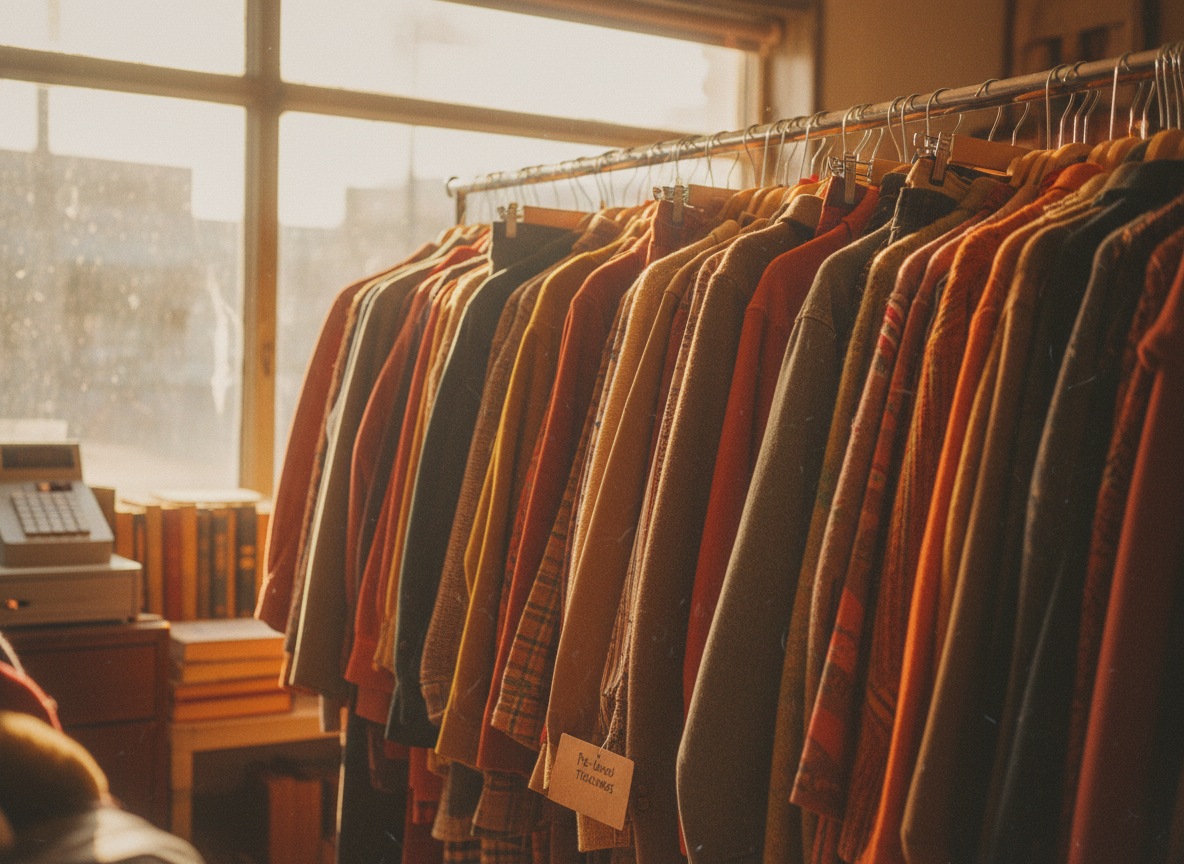
Over recent years, buying and selling second hand clothing has become increasingly popular with platforms such as Vinted and Depop changing the way people think about their wardrobes. Instead of constantly buying new pieces, consumers are able to give unwanted clothes a second life while also finding unique pieces without contributing to the demand for endless new production. The growth of these platforms show that fashion does not always have to follow a cycle of buying and throwing away, instead clothes can continue to have value beyond their first owner.
This shift in the way we shop connects back to the need for more transparency within the fashion industry. While individual choices alone cannot solve the problems within global supply chains, they can still encourage brands to rethink how they produce clothing and how they treat the people behind it. A more ethical future for fashion depends on both the brands creating our clothes and the consumers choosing what kind of industry they want to support.
 EditHaze
Leave a comment